Lime plaster costs roughly three to four times what skimmed plasterboard costs: somewhere around £50–£85 per square metre against £18–£30, depending on the wall and the region. That is a real number on a real wall, and it deserves a real answer rather than a mood.
The answer turns on one property, and the property is not appearance.
It breathes, and that is a structural statement
Lime plaster is vapour-permeable. Water vapour passes through it. Gypsum plaster and vinyl paint do not.
In a solid-wall building — brick, stone, cob, anything built before roughly 1920 — there is no cavity and no damp-proof course. Moisture from the ground and from the air moves through the wall. It has to go somewhere. In a breathable wall it evaporates from the inner surface and the wall stays dry. In a sealed wall it stops at the first impermeable layer, accumulates, and eventually comes through as damp patches, blown paint and salt blooms.
This is why the standard advice for old houses is counter-intuitive: do not seal them, let them dry. Cement render on the outside and vinyl emulsion on the inside are the two most common causes of damp in period property, and both were applied as improvements.
So in a solid-wall house, lime is not a finish. It is the mechanism by which the wall manages water. Remove it and you do not get a cheaper wall; you get a wall that needs a dehumidifier and a re-plaster in eight years.
In a modern house, it is a look
A timber-frame house built after about 1980 has a cavity, a vapour barrier and insulation. The wall is designed so that moisture never enters it. In that assembly, lime plaster's breathability has nothing to do — the vapour barrier stops the movement before the plaster sees it.
Which means: if you are plastering a modern stud wall, you are buying lime for how it looks and how it feels. That is a legitimate reason. Just do not tell yourself it is doing structural work, because it is not, and the premium is then purely aesthetic.
What it looks like, and why
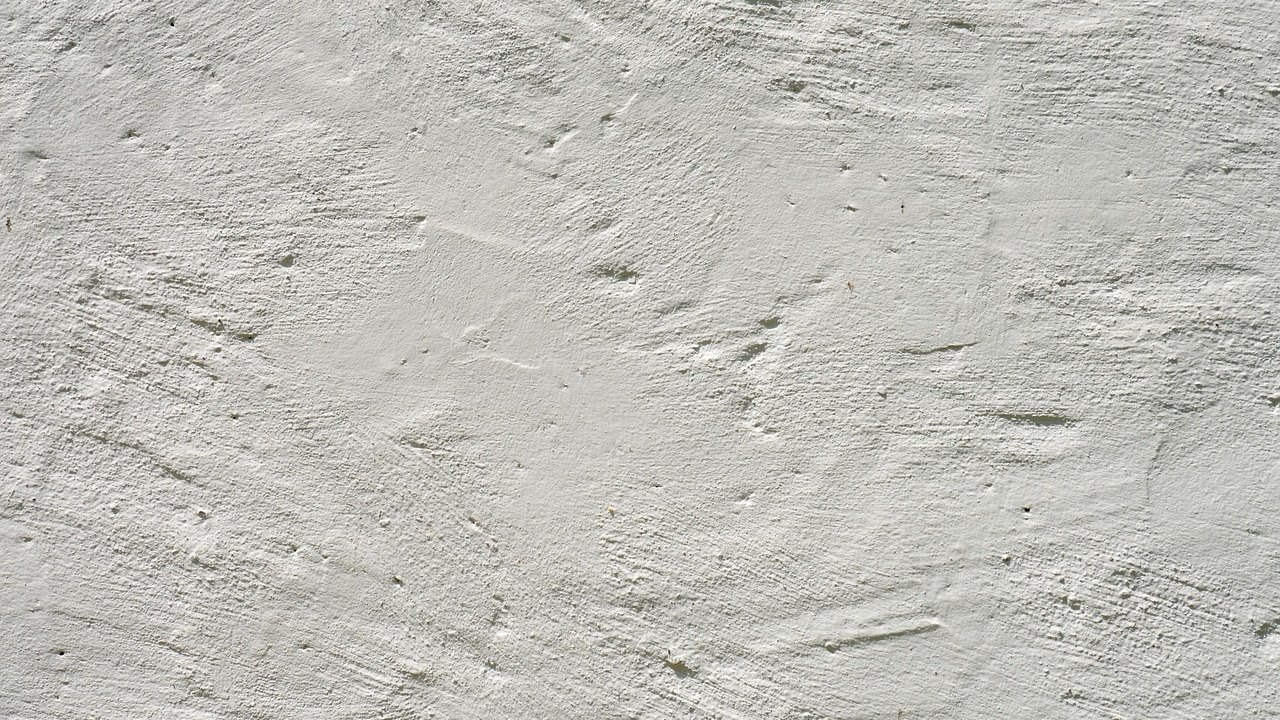
Lime plaster is applied thicker than gypsum — 15–20mm over three coats rather than 2–3mm of skim. It is trowelled, not polished, and the surface ends up very slightly undulating. Under raking light, a lime wall has a soft, almost fabric quality; under direct light it reads as matte with no sheen at all.
It also reflects light differently. A gypsum wall has a slight sheen that produces a hard highlight where light hits it. Lime absorbs that highlight. The practical effect in a room is that the walls recede: you notice the objects and the light, not the surface. This is why photographs of lime-plastered rooms look calm and photographs of the same room in vinyl silk look like a hotel.
The maintenance contract
Lime is repairable and it is not cleanable. Those go together.
Repairable: a knocked corner can be built back up with the same material and will blend in, because lime is applied wet and sets by carbonation rather than drying. There is no seam. Try that with plasterboard.
Self-healing: fine hairline cracks close over months, because free lime at the crack edge reacts with carbon dioxide in the air and re-forms calcium carbonate. This is genuinely unusual and it is the reason old lime walls survive centuries of movement.
Not cleanable: you cannot scrub it, and you cannot wipe a mark off. A scuff gets a coat of limewash over it, which is a five-minute job and slightly changes the tone of that patch until the next full coat. This is the trade. If you need walls that can be wiped — a kitchen splashback, a hallway at child height — lime is the wrong material or needs a different topcoat.
The finish decides whether it works
The plaster is half the system. The paint is the other half, and this is where most lime walls fail.
Limewash is the traditional finish: slaked lime, water, pigment. It is almost transparent when wet and builds in thin coats. Four coats gives depth and a slight cloudiness that changes through the day. It chalks — it will come off on a dark sleeve — and it needs refreshing every three to five years. It costs almost nothing to redo.
Clay paint is more opaque, easier to apply, and holds a definite colour. It is breathable and it smells faintly of earth for a week. Good for rooms where you want a colour rather than a wash.
Silicate paint is the most durable breathable option and the most expensive. It bonds mineral-to-mineral with the plaster, so it does not peel.
Vinyl emulsion is the one to avoid. It is a plastic film. It seals the wall, traps moisture, and eventually blisters — and by then you are removing it with a steamer, which damages the plaster underneath.
Find out whether your house needs it first
There is a free test, and it takes three days. Tape a 30cm square of clear plastic sheeting to an exterior wall, sealed on all four sides with tape. Leave it for 72 hours in cold weather and then look at it.
Condensation on the inside face of the plastic — the side touching the wall — means moisture is coming out of the wall. That is a solid-wall house that needs to breathe, and lime is structural.
Condensation on the outside face — the side toward the room — means moisture is coming from the air in your house. That is a ventilation problem. Lime will not fix it; a humidistat fan, a trickle vent or opening a window will, and it is worth doing regardless of what the walls are made of.
No condensation at all on an exterior wall in cold weather is the best possible result, and it means the wall is already doing fine. In that case choose lime for how it looks, and budget accordingly.
Two other things tell you which kind of house you have. Look at the bricks: if they are soft, orange-red and irregular, they are pre-1920 and were laid in lime mortar. Tapping a wall and hearing a hollow, drum-like sound means the plaster has delaminated from the substrate, and that section will need hacking off regardless of what you replace it with.
Doing it yourself, and what not to attempt
A patch repair on lime plaster — a knocked corner, a small hole — is genuinely within reach. Mist the edges with water, fill with a lime-based repair mortar in two passes a day apart, mist again as it sets, and float it level when it has firmed up. The whole skill is in the timing: lime sets by carbonation, and it must stay damp for the first few days or it will not cure.
A whole wall is a different job. Lime is applied in three coats — a scratch coat, a float coat and a fine finish — each one waiting for the last to firm, with at least a week between, and a wall in a damp room can take a month to dry through. It is slow, it is heavy, and it rewards people who have done it before.
The one thing never to attempt on a solid wall is cement render or a cement-based filler. Cement is harder and less permeable than the surrounding masonry, so water routes around it and the failure moves to the next weakest point — which is usually the brick, and that is a structural repair rather than a plastering one.
The decision, in one line
If the wall is solid brick or stone, lime pays for itself in avoided damp remediation and you should use it. If the wall is plasterboard on a timber frame, you are buying the surface, and the surface is genuinely beautiful — but budget for it as a finish, not as building work, and expect to repaint it in limewash every few years rather than wipe it down.